
The Ultimate Showdown: Fiber Optic vs Copper vs Wireless Ethernet – Which One Reigns Supreme?
By Al Contarino
In today’s fast-paced digital world, connectivity is the backbone of our modern society. We rely on the internet for everything from communication to entertainment to business operations. But when it comes to transmitting data, which technology reigns supreme? This article delves into the ultimate showdown between fiber optic, copper, and wireless Ethernet.
Fiber optic technology, with its lightning-fast speeds and impressive bandwidth capabilities, has become increasingly popular in recent years. It uses thin strands of glass or plastic to transmit data, allowing for faster and more reliable connections. On the other hand, copper has been the go-to choice for decades, known for its affordability and widespread availability. And then there’s wireless Ethernet, which offers the convenience of a wireless connection but often at the expense of speed and reliability.
So, which one should you choose? Join us as we explore the strengths and weaknesses of these three contenders, helping you make an informed decision for your specific needs. Whether you’re a homeowner, a business owner, or an internet enthusiast, understanding the pros and cons of fiber optic, copper, and wireless Ethernet will empower you to navigate the connectivity landscape with confidence.
Brand Voice: Informative and trustworthy
Understanding Fiber Optic Ethernet
Fiber optic Ethernet has revolutionized the way data is transmitted, offering unparalleled speed and bandwidth capabilities. Utilizing thin strands of glass or plastic to carry data in the form of light pulses, fiber optic cables can transmit data over long distances with minimal signal degradation. This technology is ideal for high-demand applications such as streaming high-definition video, online gaming, and large file transfers.

Fiber optic Ethernet is known for its immunity to electromagnetic interference, making it a reliable choice for environments where interference is a concern. Additionally, fiber optic cables are less prone to security breaches compared to copper cables, as they are more challenging to tap into without detection. Despite these advantages, the initial installation costs of fiber optic Ethernet can be higher than other options, making it more suitable for businesses and organizations with specific performance requirements.
The future of networking lies in the capabilities of fiber optic technology, as it continues to evolve and improve. With advancements in fiber optic infrastructure and equipment, the potential for even faster speeds and greater bandwidth is on the horizon. As the demand for high-speed connectivity grows, fiber optic Ethernet is poised to remain a key player in the connectivity landscape.
Exploring Copper Ethernet
Copper Ethernet, the traditional stalwart of networking, has been the backbone of connectivity for decades. Known for its affordability and widespread availability, copper cables have been used extensively in homes, offices, and data centers around the world. While copper may not match the speed and bandwidth capabilities of fiber optic technology, it remains a reliable and cost-effective option for many users.
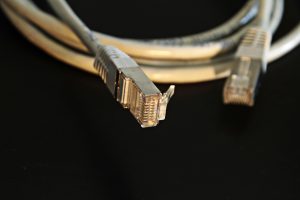
One of the key advantages of copper Ethernet is its ease of installation and maintenance. Copper cables are flexible and easy to work with, making them a popular choice for networking setups that require frequent changes or additions. Additionally, copper Ethernet is compatible with a wide range of devices, ensuring seamless connectivity across various platforms. However, copper cables are susceptible to electromagnetic interference and signal degradation over long distances, which can impact performance in certain scenarios.
Despite the rise of fiber optic technology, copper Ethernet continues to be a viable option for users seeking a balance between performance and affordability. For individuals and businesses looking to establish a reliable network without breaking the bank, copper Ethernet remains a practical choice that delivers consistent results. Talkitt Cat6a patch cords are a great choice for wired networks.
Wireless Ethernet: The Future of Connectivity
Wireless Ethernet, also known as Wi-Fi, has brought unprecedented convenience and flexibility to the world of networking. By eliminating the need for physical cables, wireless Ethernet enables users to connect to the internet from anywhere within the network’s coverage area. This technology has become ubiquitous in homes, offices, and public spaces, offering seamless connectivity for a wide range of devices.

One of the primary benefits of wireless Ethernet is its mobility and scalability. Users can easily connect multiple devices to a wireless network without the constraints of physical cables, making it ideal for environments where mobility is essential. Wireless Ethernet also allows for easy expansion of the network coverage area by adding additional access points, providing flexibility for growing networks.
However, wireless Ethernet has its limitations, particularly in terms of speed and reliability. Wi-Fi signals can be affected by interference from other wireless devices, physical obstructions, and signal range limitations. As a result, users may experience fluctuations in connection quality and speed, especially in crowded environments. Despite these challenges, advancements in wireless technology continue to improve performance and address connectivity issues. Wireless equipment and routers are available at most retailers such as Amazon.com.
Comparing Fiber Optic, Copper, and Wireless Ethernet
When considering the best Ethernet option for your needs, it’s essential to weigh the strengths and weaknesses of fiber optic, copper, and wireless Ethernet. Fiber optic technology excels in speed and reliability, making it ideal for high-demand applications and environments where data security is a priority. While the initial costs of fiber optic installation may be higher, the long-term benefits justify the investment for users with specific performance requirements.
Copper Ethernet, on the other hand, offers a cost-effective and reliable solution for users seeking a balance between performance and affordability. With its widespread availability and ease of installation, copper remains a popular choice for home networks, small businesses, and organizations with modest connectivity needs. While copper may not match the speed of fiber optic technology, it provides a dependable networking solution for everyday use.
Wireless Ethernet provides unmatched convenience and mobility, allowing users to connect to the internet without physical constraints. While Wi-Fi technology has made significant strides in improving speed and coverage, it may not be suitable for applications that require consistent high-speed connections or enhanced security features. Understanding the strengths and limitations of wireless Ethernet is crucial for optimizing network performance and user experience.
Factors to Consider When Choosing an Ethernet Solution
When selecting an Ethernet solution for your specific needs, several factors should be taken into account to ensure optimal performance and reliability. Consider the bandwidth requirements of your applications, the distance over which data needs to be transmitted, and the level of security needed to protect sensitive information. Evaluate the scalability of the Ethernet technology to accommodate future growth and changes in network demands.
Additionally, assess the environmental factors that may impact the performance of the Ethernet solution, such as interference from other electronic devices, physical obstructions, and signal range limitations. By addressing these considerations and understanding the strengths and weaknesses of fiber optic, copper, and wireless Ethernet, you can make an informed decision that meets your connectivity requirements and budget constraints.
Conclusion: Determining the Best Ethernet Option for Your Needs
In the ultimate showdown between fiber optic, copper, and wireless Ethernet, there is no one-size-fits-all solution. Each technology offers unique advantages and limitations, catering to different user preferences and requirements. Fiber optic Ethernet excels in speed and reliability, making it ideal for high-performance applications, while copper Ethernet provides a cost-effective and reliable networking solution for everyday use. Wireless Ethernet offers unmatched convenience and mobility but may have limitations in speed and reliability.
To determine the best Ethernet option for your needs, consider your specific requirements in terms of performance, scalability, security, and budget. Evaluate the strengths and weaknesses of each technology in light of your connectivity needs, and choose the option that aligns with your priorities. Whether you opt for the lightning-fast speeds of fiber optic Ethernet, the affordability of copper Ethernet, or the convenience of wireless Ethernet, selecting the right technology will enhance your digital experience and connectivity capabilities.